
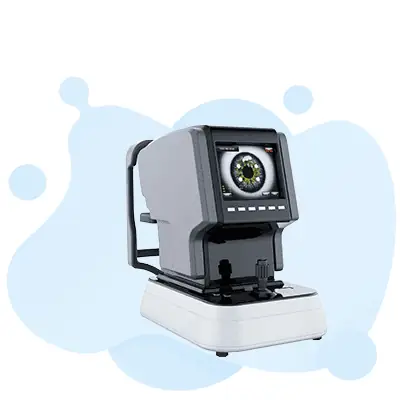
A Certified Ophthalmic Surgical Technologist (COST) plays a critical role in ophthalmic surgery, assisting ophthalmologists in complex eye procedures. These professionals ensure that surgical instruments are prepared, maintain a sterile environment, and provide hands-on support during operations. If you’re considering a career in ophthalmic surgical technology, obtaining certification can enhance your skills, job prospects, and credibility in the field.
In this guide, we will explore the responsibilities of an ophthalmic surgical technologist, the steps to certification, career opportunities, and essential skills needed for success.
Free Ophthalmic Surgical Technologist Practice Test Online
Key Takeaways
- Certified Ophthalmic Surgical Technologists play a crucial role in eye surgeries.
- Certification requires education, experience, and passing an exam.
- Career opportunities are expanding due to the growing demand for eye surgeries.
- Essential skills include attention to detail, dexterity, and strong communication.
Understanding Ophthalmic Surgery
Ophthalmic surgery refers to surgical procedures performed on the eye or its surrounding structures. These surgeries aim to correct vision problems, treat diseases, and repair injuries.
Common Ophthalmic Surgeries:
- Cataract Surgery: Removal of a cloudy lens and replacement with an artificial one.
- LASIK Surgery: A laser-assisted procedure to correct refractive vision issues.
- Retinal Surgery: Treatment for retinal detachment, diabetic retinopathy, and other conditions.
- Glaucoma Surgery: Procedures designed to relieve intraocular pressure and prevent vision loss.
- Corneal Transplants: Replacement of a damaged or diseased cornea with a donor cornea.
Ophthalmic Surgical Technologists play an integral role in ensuring these procedures run smoothly by assisting surgeons and maintaining a sterile operating environment.
What Is an Ophthalmic Surgical Technologist?
An Ophthalmic Surgical Technologist is a highly skilled medical professional who works alongside ophthalmologists during eye surgeries. They play a vital role in maintaining efficiency and safety in the operating room.
Key Responsibilities:
- Preparing surgical instruments and equipment for procedures
- Ensuring a sterile environment in the operating room
- Assisting surgeons by handing instruments and supplies during surgery
- Monitoring patients’ conditions and assisting with post-operative care
- Understanding ophthalmic surgical techniques and best practices
These professionals are crucial in ensuring successful ophthalmic procedures and minimizing complications.

Ophthalmic Surgical Technologist Certification
Certification as a COST validates an individual’s knowledge, technical skills, and ability to work in ophthalmic surgical settings. It demonstrates a commitment to excellence in patient care and safety.
Requirements for Certification:
To become a Certified Ophthalmic Surgical Technologist, candidates must typically meet the following requirements:
- Education: Completion of an accredited ophthalmic surgical technology program or equivalent experience.
- Work Experience: A specified number of hours in ophthalmic surgical assisting.
- Examination: Passing a certification exam administered by a recognized certifying body.
- Continuing Education: Maintaining certification through ongoing education and professional development.
Certifications are typically offered by organizations like the International Joint Commission on Allied Health Personnel in Ophthalmology (IJCAHPO).
How to Become a Certified Ophthalmic Surgical Technologist
Becoming a COST requires dedication and proper training. Here’s a step-by-step guide:
Step 1: Obtain the Necessary Education
Pursue an accredited program in ophthalmic surgical technology. Many community colleges and vocational schools offer relevant training programs.
Step 2: Gain Hands-On Experience
Practical experience is crucial. Most programs include clinical rotations, where students work in real surgical settings under supervision.
Step 3: Apply for Certification
Once educational and experience requirements are met, candidates can apply for certification through a recognized body like IJCAHPO.
Step 4: Pass the Certification Exam
The certification exam evaluates knowledge in ophthalmic surgical procedures, equipment handling, patient care, and safety protocols.
Step 5: Maintain Certification
Certified professionals must engage in continuing education and renew their certification periodically to stay updated with advancements in the field.
Career Opportunities for Certified Ophthalmic Surgical Technologists
Certification opens doors to various career opportunities in medical and surgical settings.
Work Environments:
- Hospitals
- Ambulatory surgery centers
- Private ophthalmology practices
- Research institutions
Job Outlook and Salary:
The demand for ophthalmic surgical technologists is expected to grow as the need for vision-related procedures increases. Salaries vary based on experience, location, and workplace, with certified professionals earning higher wages compared to non-certified counterparts.

Key Skills for Success in Ophthalmic Surgical Technology
To excel in this field, professionals need a combination of technical and interpersonal skills.
Essential Skills:
- Attention to Detail: Precision is crucial when handling delicate eye structures.
- Knowledge of Surgical Instruments: Familiarity with ophthalmic tools and their uses.
- Strong Communication: Effective teamwork with surgeons and other medical staff.
- Manual Dexterity: Ability to handle small instruments with precision.
- Problem-Solving Skills: Quick thinking in high-pressure surgical environments.
Developing these skills enhances job performance and patient outcomes.
Conclusion
Becoming a Certified Ophthalmic Surgical Technologist is a rewarding career path for those passionate about ophthalmology and surgical assistance. Certification enhances job prospects, increases earning potential, and ensures high standards of patient care. By following the necessary steps, aspiring professionals can build a successful career in this specialized healthcare field.
FAQs
How long does it take to become a Certified Ophthalmic Surgical Technologist?
The time frame varies, but typically, it takes 1-2 years to complete an educational program, followed by obtaining certification.
Is certification mandatory for ophthalmic surgical technologists?
While certification is not always legally required, it significantly improves job prospects and credibility in the field.
What is the passing score for the certification exam?
Passing scores vary by certifying body, but generally, a minimum score of 70% is required.
Can I work in ophthalmic surgery without certification?
Some employers may hire non-certified individuals, but certification is preferred and may lead to higher salaries and better job opportunities.
What are the continuing education requirements for maintaining certification?
Certified professionals must complete a certain number of continuing education credits every few years to renew their certification.